
In a recent collaborative project, Olds College of Agriculture & Technology’s Technology Access Centre for Livestock Production (TACLP) research team partnered with client company Taurus RNG to advance sustainable biofuel production by tackling a major hurdle in renewable energy: feedstock management.
Supported by a grant from the Government of Alberta, Taurus RNG is utilizing an anaerobic biodigester to convert feedlot manure into clean, Renewable Natural Gas (RNG). However, to maximize the efficiency of the biodigester, knowing the exact composition of the organic matter before it is processed is critical. To solve this issue, Taurus RNG approached Olds College to build an innovative, rapid-screening predictive model.
"The TACLP at Olds College regularly collaborates with livestock producers, innovators, researchers and small and medium-sized enterprises to conduct trials to develop or validate new practices and technologies. We were pleased to support Taurus RNG on this project and we are always open to new opportunities and partnerships."
Irene Wenger, TACLP Manager
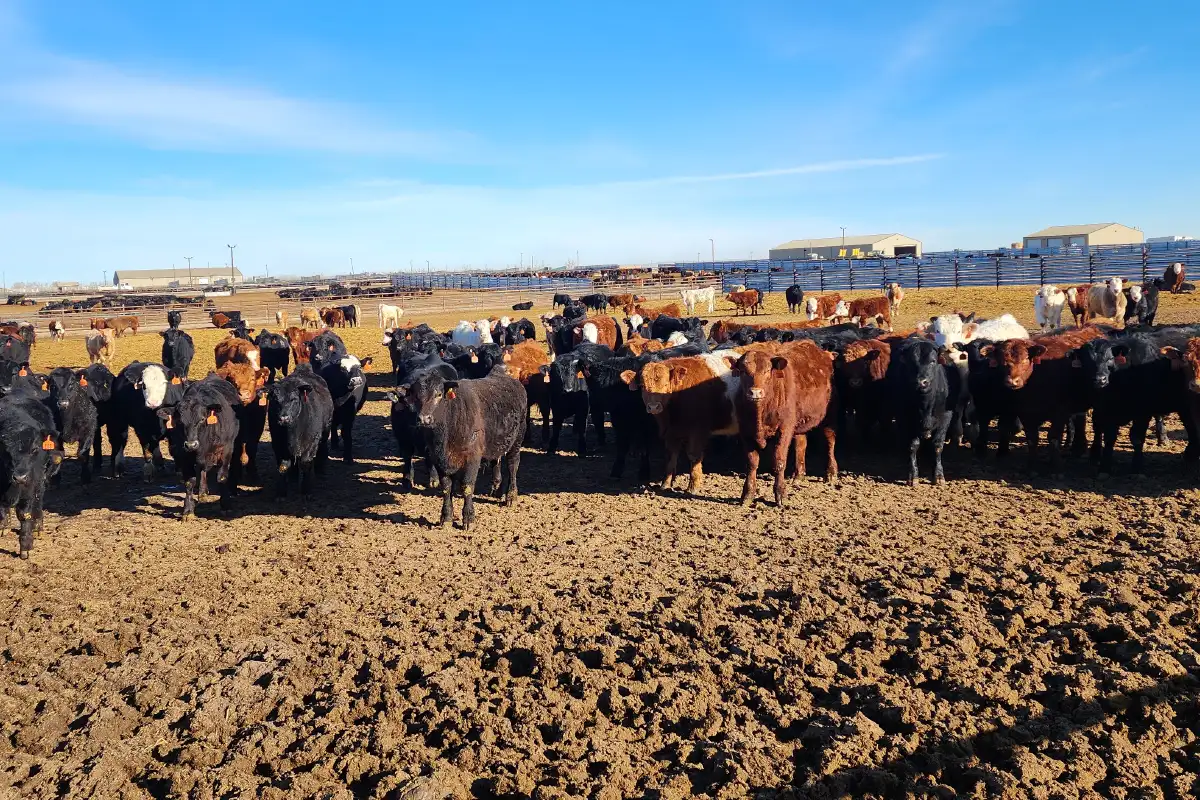
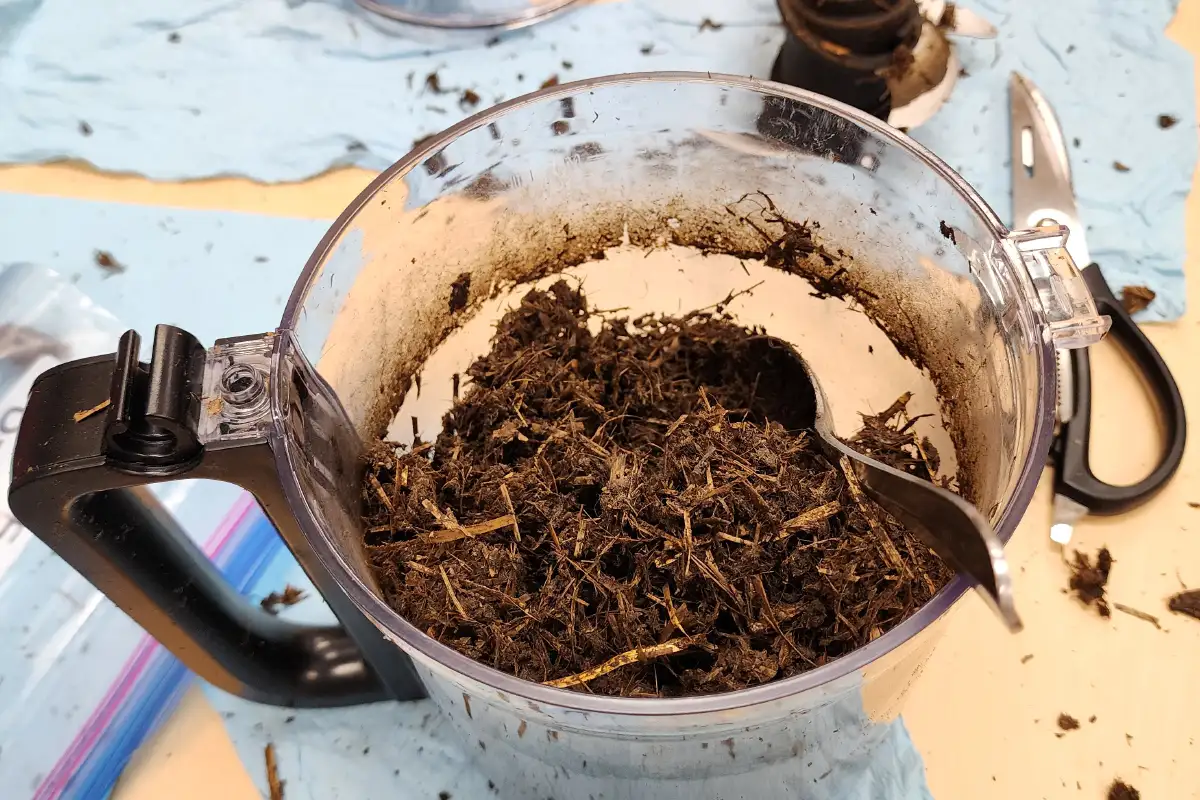
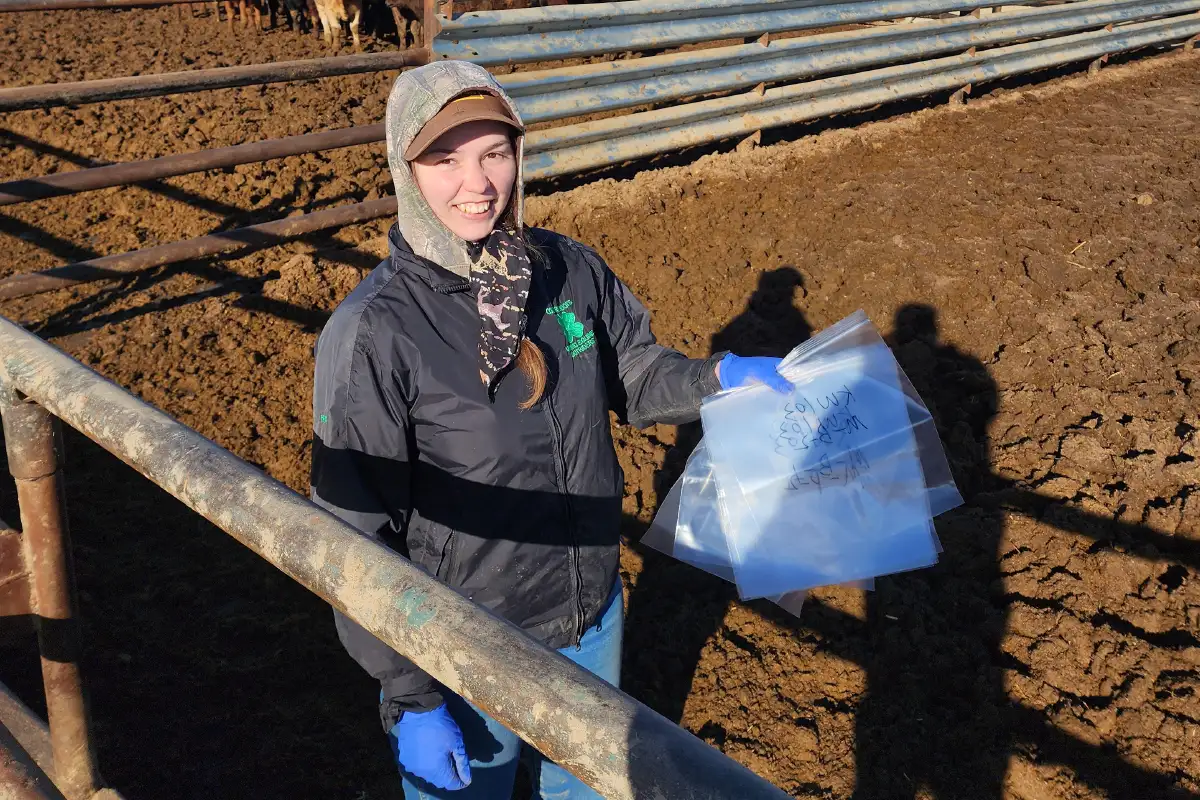
A primary challenge in processing feedlot manure is soil contamination, which disrupts the biodigesting process. Because of this, Taurus RNG specifically targets manure from feedlots with concrete floors rather than traditional dirt or clay floor lots. The model needed to be precise enough to verify this quality instantly.
Given these goals, the TACLP team developed a solution that can quickly identify moisture, organic matter and key chemical makeup of manure. In order to do so, the team analysed the chemical composition of 280 unique manure samples collected from feedlots in central and southern Alberta, using a sensor calibrated for this specific application.
Based on that analysis, the team created models that reliably predict moisture, organic matter and nitrogen levels, as well as detect whether the manure was sourced from a concrete or clay feedlot. The model’s predictions were validated by a subset of samples that were not used in the model development.
Following the successful completion of the research, the models have been provided to Taurus RNG. By equipping our client with these models, they can now perform rapid on-site screening, optimizing their biodigester efficiency and enhancing green energy capacity in Alberta.
“At Taurus, we identified the critical need for an innovative, rapid-screening solution to accurately characterize manure feedstock and maximize digester performance. Olds College’s TACLP overdelivered on that. The collaboration between their talented research team and Taurus’ expertise has been outstanding in creating a high-accuracy solution that gives us reliable on-site, real-time insight into manure characteristics, in a matter of seconds instead of days. Their expertise and professionalism have directly strengthened our ability to automate and optimize operations with data-drive decisions and scale clean RNG production in Alberta”
Daniele Chiodini, CTO and Co-Founder, Taurus Renewable Natural Gas
To learn more about research projects at the TACLP, visit oldscollege.ca/smartfarm.
The Smart Farm is working towards providing producers with real-life applied research to help them make informed decisions about implementing technology in their own operations.