
The Technology Access Centre for Livestock Production (TACLP) at Olds College of Agriculture & Technology has partnered with Cascadia Seaweed to trial an innovative, sustainable cattle feed ingredient: a seaweed mix utilizing the by-product of responsibly cultivated sugar kelp. Backed by a grant from Emissions Reduction Alberta (ERA), Olds College researchers have completed a two-stage study that provided some insight into how adding seaweed to feed could impact cows’ health.
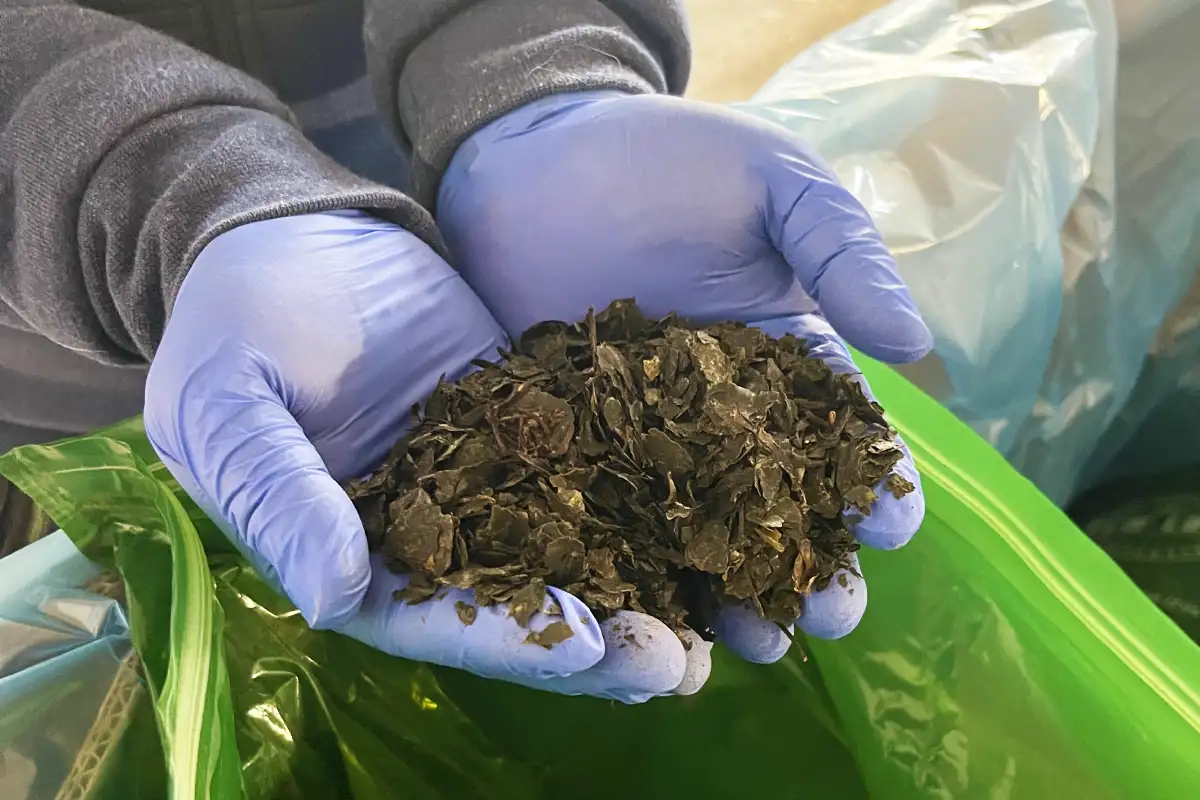
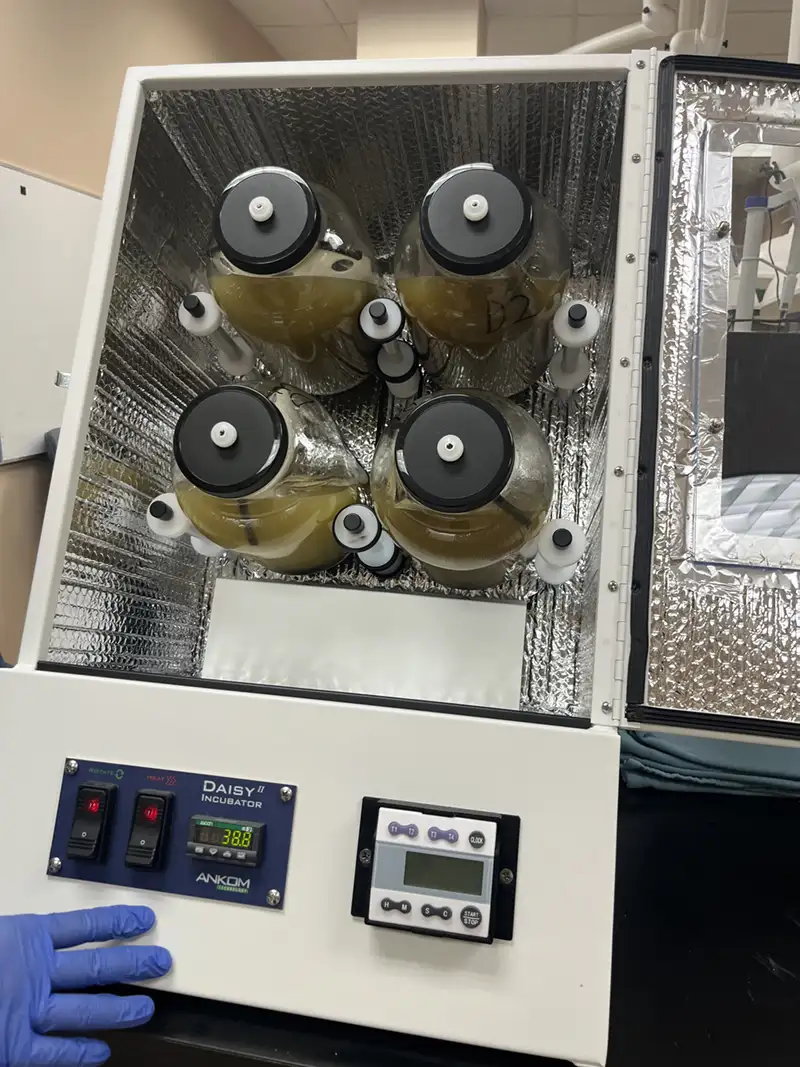 Before introducing the seaweed mix to live animals, the research team needed to ensure it wouldn’t disrupt a cow’s highly sensitive digestive tract. To determine those effects, the first stage of the study was an “in vitro” (laboratory) study designed to test how the seaweed reacted with the rumen — the cow's main digestive chamber.
The researchers combined real rumen fluid from a cow’s stomach with artificial saliva to replicate a living digestive system inside the lab. These simulated rumens tested four different variable inclusion rates of the sugar kelp by-product, ranging from a minimal 0.5 per cent up to 5 per cent of the total feed.
They monitored how the seaweed affected overall rumen fermentation, ammonia production and fatty acid creation (which provide the primary energy source for the animal). Because cows heavily rely on microbial production in the rumen for their protein, maintaining this delicate balance was critical.
The lab study yielded excellent baseline news — there was no difference in reactivity between the inclusion levels, meaning the seaweed didn't hurt the vital microbial fermentation process.
With the green light based on the lab results, the project advanced to stage two: a live animal feeding trial.
Because seaweed naturally contains high levels of iodine, the team settled on a safe 1 per cent inclusion rate for the live animal feed. Throughout the trial, the researchers closely monitored the cattle's feeding behaviour, activity, weight gain and methane production.
Ultimately, they found no difference in those areas for cows on the seaweed feed – a good sign, as introducing a new, salty ocean plant to land animals’ feed could have thrown off their appetite. Instead, they seemed to take it in stride. The researchers also found no increase or decrease in methane production.
The areas where they did discover some impacts were digestibility and immune response. Specifically, the seaweed-fed cattle showed higher digestibility of starch and dry matter. This means the cattle were able to process and convert their feed to mass and energy more efficiently, which is a win for feed efficiency and reducing overall agricultural waste. But the most surprising discovery of the trial lay in the cattle's bloodwork. Researchers found higher white blood cell counts in the seaweed-fed cows. While a higher white blood cell count can sometimes indicate an immune system responding to a stimulus, it could point toward an enhanced, primed immune health status — a potential benefit that the research team hopes to investigate further.
The researchers are hoping to continue studying the impacts of using the Cascadia Seaweed product in cattle feed, specifically looking into the impacts on immune systems.
“Cascadia Seaweed has been conducting research in collaboration with Olds College of Agriculture & Technology across a range of agricultural applications utilizing cultivated seaweed from British Columbia. Together we have seen some really exciting and beneficial results for both plant and animal health outcomes. We really value the practical and professional approach of the teams that we work with at Olds College and look forward to further research together.”
Matthew Obee, Vice President of Operations, Cascadia Seaweed
To learn more about research projects at the TACLP, visit oldscollege.ca/smartfarm.
The Smart Farm is working towards providing producers with real-life applied research to help them make informed decisions about implementing technology in their own operations.