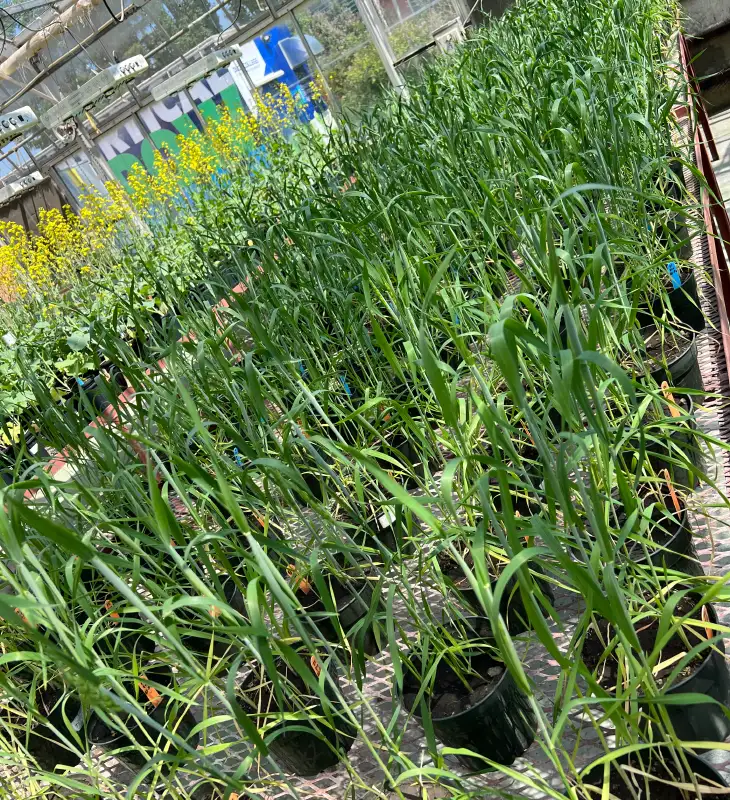
Pyroligneous Acid Biostimulants for Prairie Agriculture

Olds College Centre for Innovation is assessing the wood-derived biostimulant pyroligneous acid for wheat and canola crops, to see how it could help enhance plant health and cut down on greenhouse gas emissions.
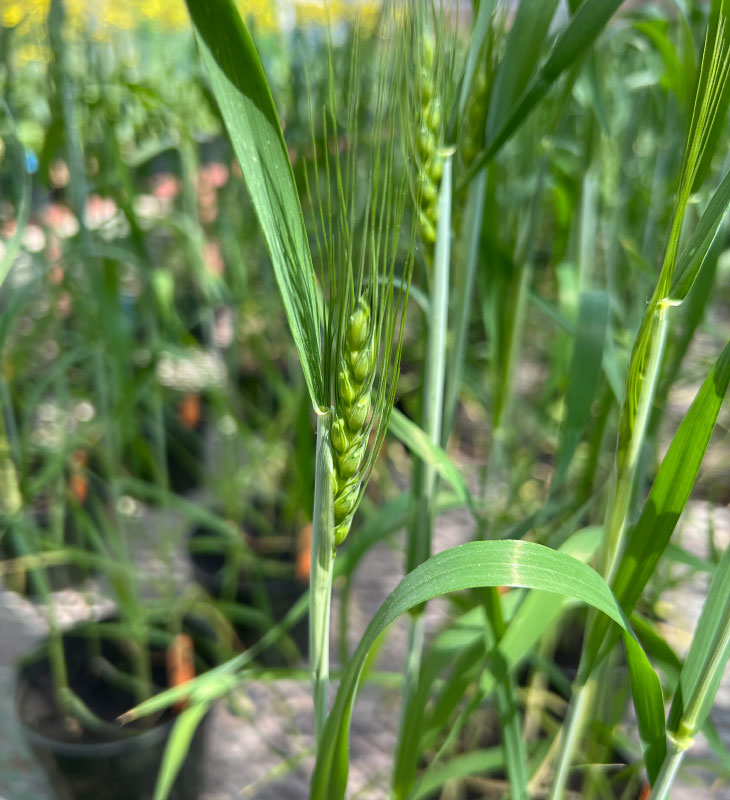
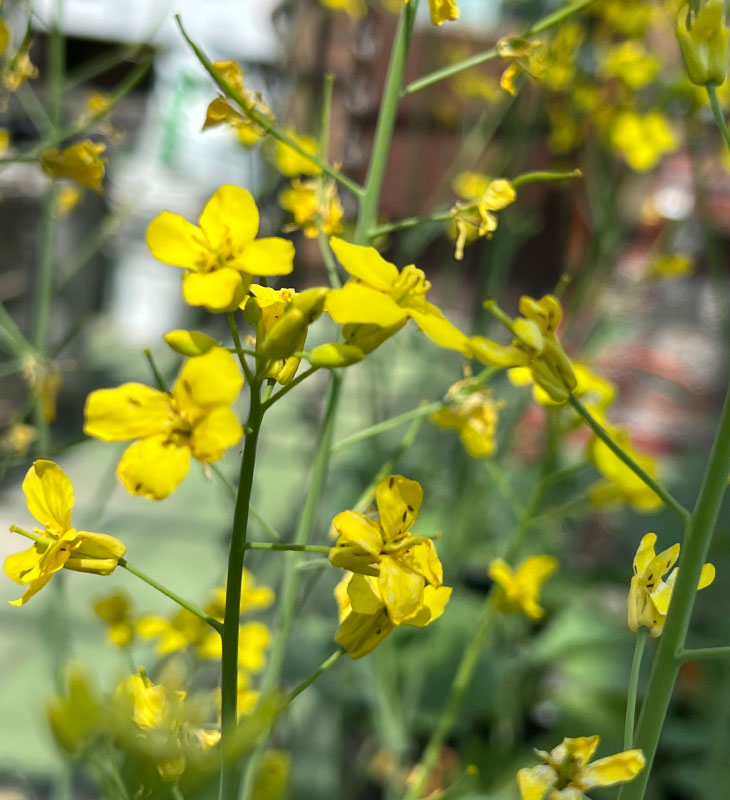
Pyroligneous acid, commonly referred to as wood vinegar or wood acid, is a liquid byproduct generated by distilling wood and diverse plant materials at high temperatures.

$slide.image-alt
$slide.image-alt
$slide.image-alt


By optimizing the timing and rate of pyroligneous acid applications, producers can improve their wheat and canola systems’ efficiency as well as practice better environmental stewardship.

A three-year project at the Olds College Smart Farm has evaluated these biostimulants through greenhouse studies and is now doing small-plot field trials. The research focuses on validating how these products perform under real Alberta growing conditions to ensure they are a practical tool for modern farms.

Project Goals

  • Evaluate the impact of pyroligneous acid-based biostimulants on greenhouse gas emissions and crop yields in the Canadian prairies.
  • Optimize application rates and timing for cereal and oilseed production.

Funders/Partners: Pyrovac Inc.

Explore Smart Farm Research Projects